Best Flowers for Attracting Butterflies in Ohio
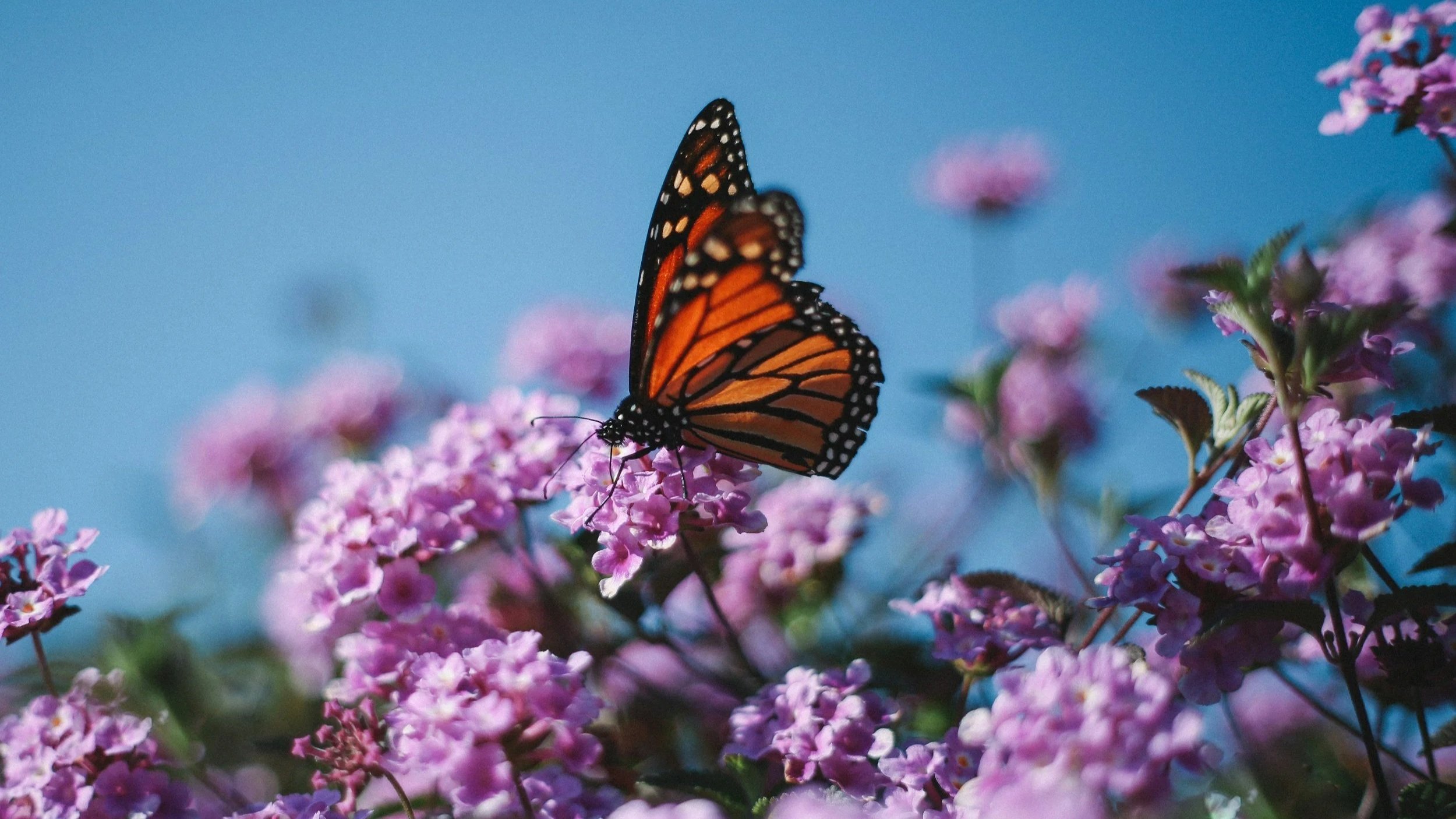
One of the best parts of creating a summer garden in central Ohio is watching butterflies flutter from bloom to bloom. Central Ohio lies along migration paths for pollinators like the Monarch butterfly, Painted Lady, and Red Admiral, and it’s great to see these winged beauties each summer. If you want to attract butterflies to your yard, you just need to add the right combination of nectar sources and sturdy landing pads that will transform your yard into a butterfly haven.
So, what flowers should you plant to attract butterflies to your yard? At Timbuk Farms, we love supporting local pollinators, such as butterflies. So, here are five of our favorite plants for attracting butterflies to your Ohio garden.
1. Lantana
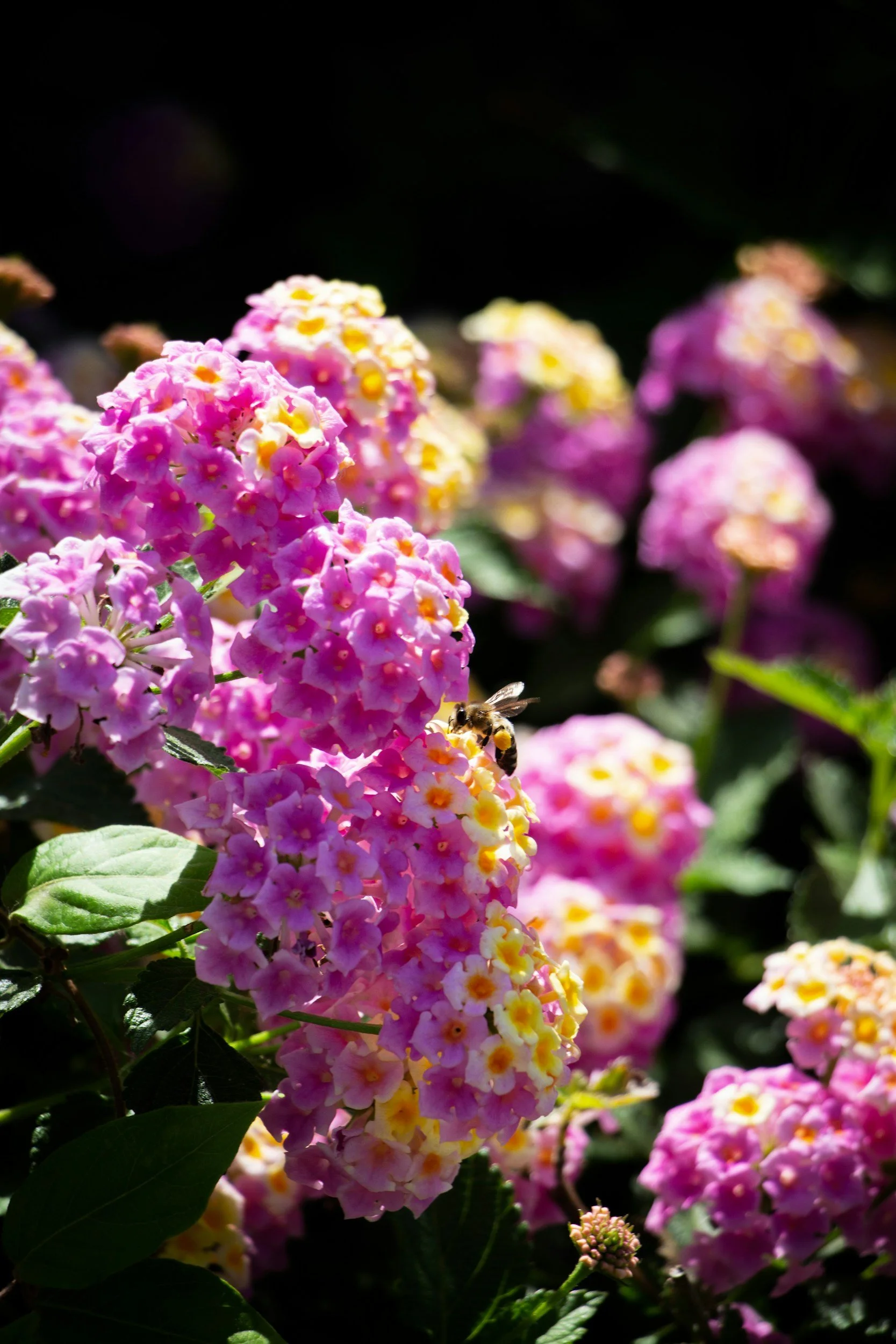
Lantana is a summer favorite for butterflies in Central Ohio thanks to its clusters of tiny, nectar-rich flowers. The semi-flat tops provide ideal landing spots for butterflies, while the tubular blossoms keep pollinators coming back all season.
Since central Ohio sits in USDA Hardiness Zone 6, Lantana grows as a frost-tender annual. It excels in hot, sunny spots and blooms continuously from late spring until Ohio’s first fall frost. In fact, lantana is one of the best heat-tolerant flowers for Ohio.
How to Care for Lantana
Where to Plant Lantana
Lantana grows well in containers, patio pots, and hanging baskets. You can also use them as border flowers.
Before planting lantana outdoors, wait until mid-to-late May after the danger of an Ohio spring frost has passed and the soil temperatures warm up.
Light, Water, Soil, and Fertilizer Requirements
Give lantana well-draining soil and full sun, which means that it needs 6-8 hours of direct sun each day, and well-draining soil. Fertilize it once a month with a balanced plant food.
For watering, water your lantana deeply when the top couple of inches of the soil feels dry. Lantana is a great low-maintenance and heat-tolerant plant for Ohio during the summer. So, don’t worry too much about giving the plant supplemental waterings unless there is a serious dry spell.
If you want more guidance on how to water plants properly during the summer, then check out our Ohio summer watering guide.
2. Butterfly Bush
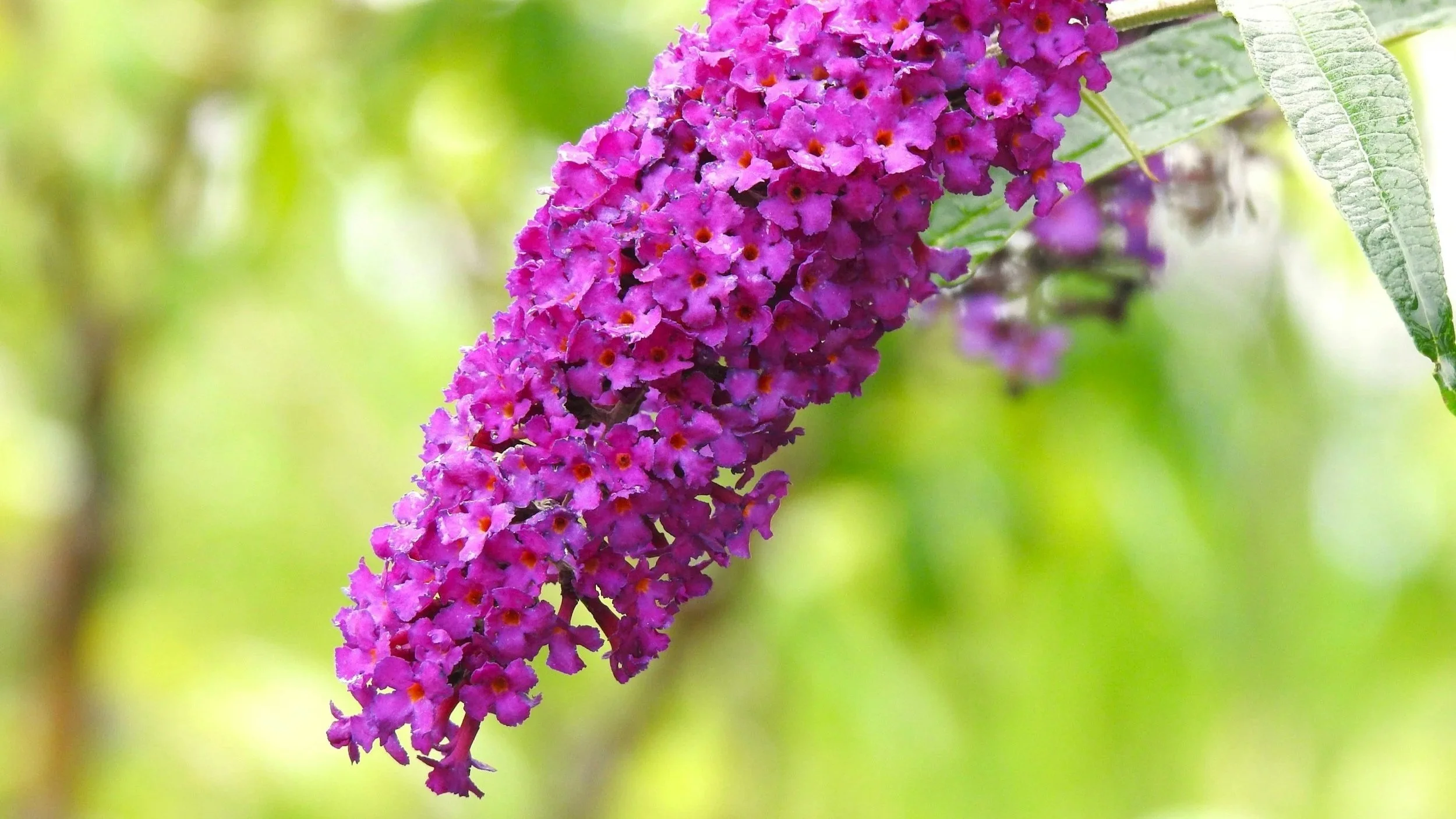
True to its name, the butterfly bush is a magnet for local pollinators. Its large flower spikes feature clusters of blossoms in shades of purple, pink, blue, and white. If you want prolific blooms that are stunning along with a plant that attracts butterflies to your yard, then the butterfly bush is for you.
For Central Ohio gardens, Butterfly Bush acts as a die-back perennial. This means that cold winter temperatures often nip top stems back to the ground, but new shoots emerge quickly from the roots each spring to produce heavy midsummer blooms.
How to Care for Butterfly Bushes
Where to Plant a Butterfly Bush
Use butterfly bushes in large container arrangements, as foundational plantings, or as perennial border plants.
Plant your butterfly bush in the spring after the soil thaws and warms. Then, make sure that the plant has well-draining soil, such as sandy or loamy soil.
Light, Water, Soil, and Fertilizer Requirements
Butterfly bushes can thrive in full sun or partial shade. However, you’ll get the biggest and most prolific blooms if the plant receives full sun.
Give butterfly bushes weekly waterings during dry midsummer stretches after they have been established. For new butterfly bushes, water the plant deeply two or three times each week to encourage deep root growth. Remember, shallow waterings can encourage shallow root growth, which can hurt a plant’s chance of survival and of successfully overwintering.
3. Coneflower
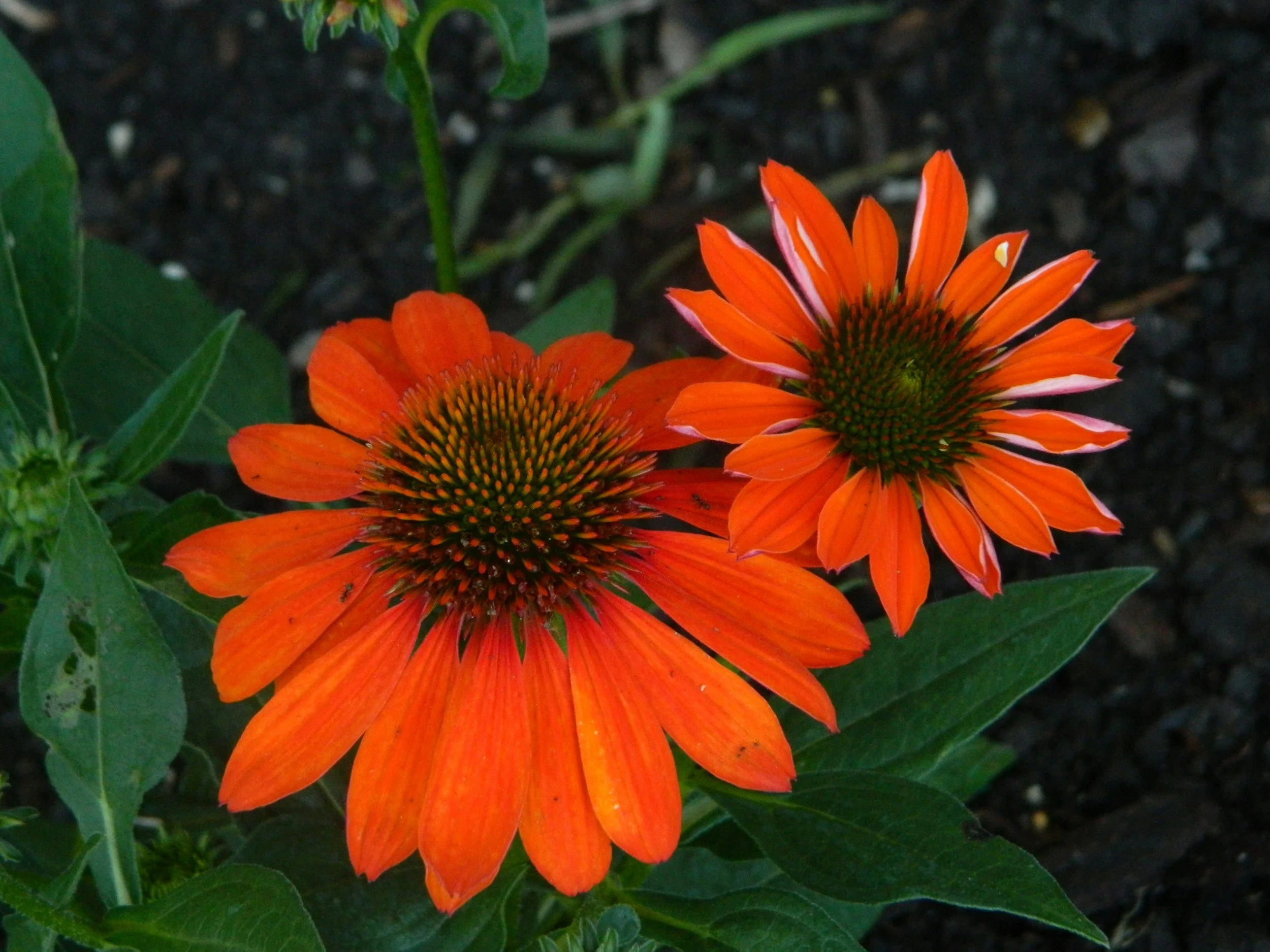
Coneflowers are hardy, classic perennials that are native to Ohio prairies. This makes them able to adapt and thrive in Central Ohio’s heavy clay soils, hot summers, and freezing winters (down to Zone 3). Their central cones and sweeping petals are perfect for native butterflies and bees alike.
Ohio gardeners love coneflowers because they are easy to grow, cold-hardy, drought-tolerant, and are low-maintenance flowers once they are established. Plus, they come in a variety of colors including, pink, purple, red, orange, yellow, white, and green. Coneflowers are some of our favorite summer perennials to plant in our own home gardens.
How to Care for Coneflowers
Where to Plant Coneflowers
Coneflowers are the perfect flowers for pollinator gardens, garden beds, borders, and containers.
Like with many heat-tolerant flowers, coneflowers need adequate drainage. So, while they can grow in dense clay, they will do better if you loosen the surrounding soil to ensure that the water drains away from the plant. Consider adding soil amendment to create the soil texture you want. If you’re not sure what the correct soil mix is, then give our Ohio garden center a call or stop by, and we’ll be happy to guide you.
Light, Water, Soil, and Fertilizer Requirements
Coneflowers grow well in full sun and partial shade. While you should water them regularly during their first growing season to help them establish strong root systems, you don’t really need to do anything after that. Coneflowers are some of the ultimate low-maintenance flowers with no fertilizing or supplemental watering necessary after they are established. We also recommend that you leave the dried seed heads intact during the fall so that local songbirds can use them for food during the winter.
4. Black-Eyed Susan
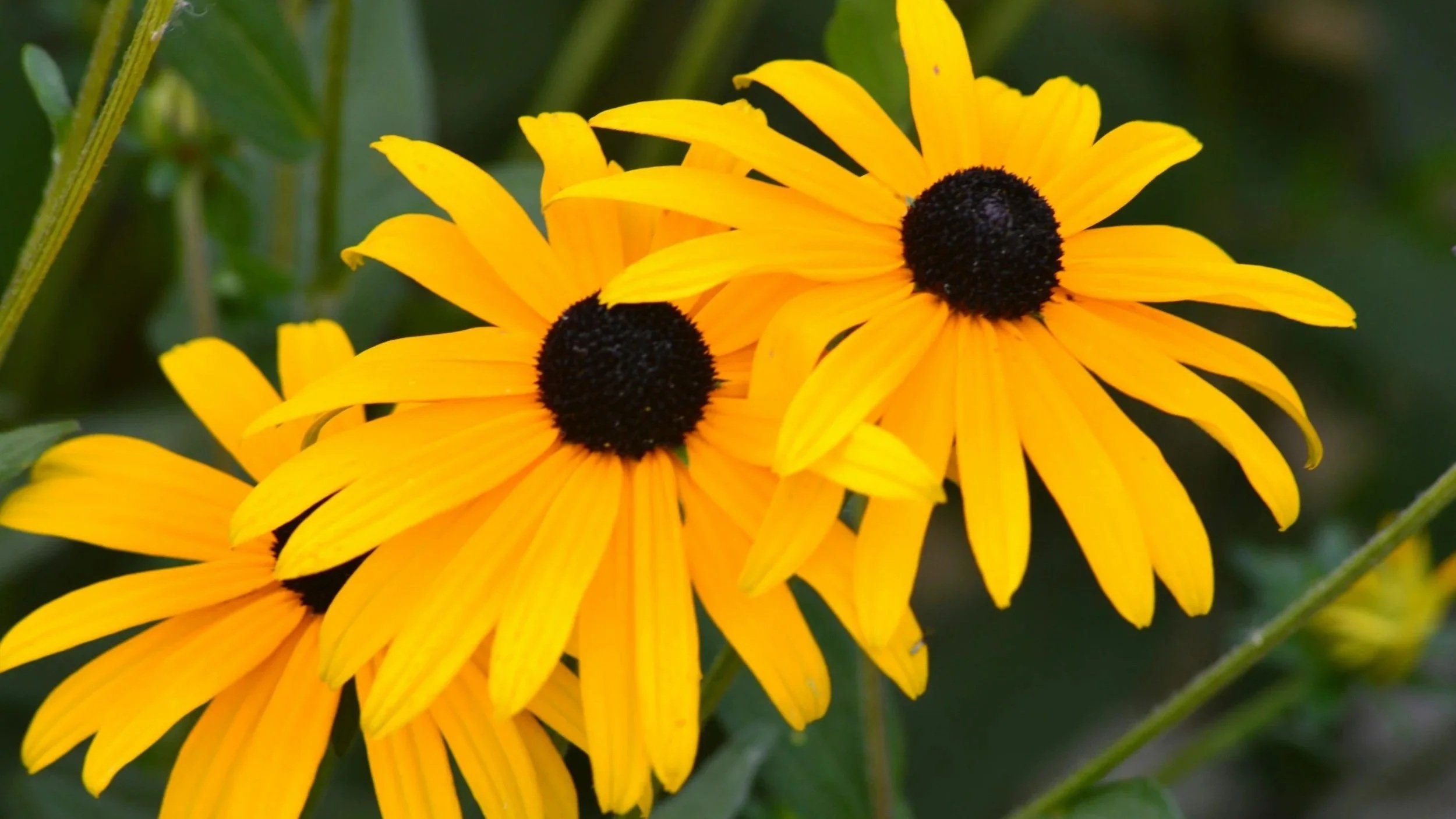
Also known as “rudbeckia,” Black-Eyed Susans’ striking color contrast attracts butterflies and other local pollinators. Its iconic golden-yellow petals and dark centers will make both you and your garden’s butterflies happy.
Also, Black-Eyed Susans are native to the Midwest, so they handle central Ohio’s midsummer humidity and hot temperatures with ease.
How to Care for Black-Eyed Susans
Where to Plant Black-Eyed Susans
Plant Black-Eyed Susans in mixed garden beds, containers, or to fill in gaps in your landscape. These are also great border flowers for cottage gardens.
Light, Water, Soil, and Fertilizer Requirements
Give these flowers full sun and well-draining soil if you want the best blooms. They can tolerate partial shade, but you will have fewer blooms than if the plant was in full sun.
Don’t worry about fertilizing. Rather, focus your efforts on deadheading (meaning removing faded flowers) to encourage the plant’s blooming season to last until Ohio’s first frost. For more details on how to take care of Black-Eyed Susans (a.k.a. rudbeckia), check out our growing rudbeckia guide.
5. Coreopsis (Tickseed)
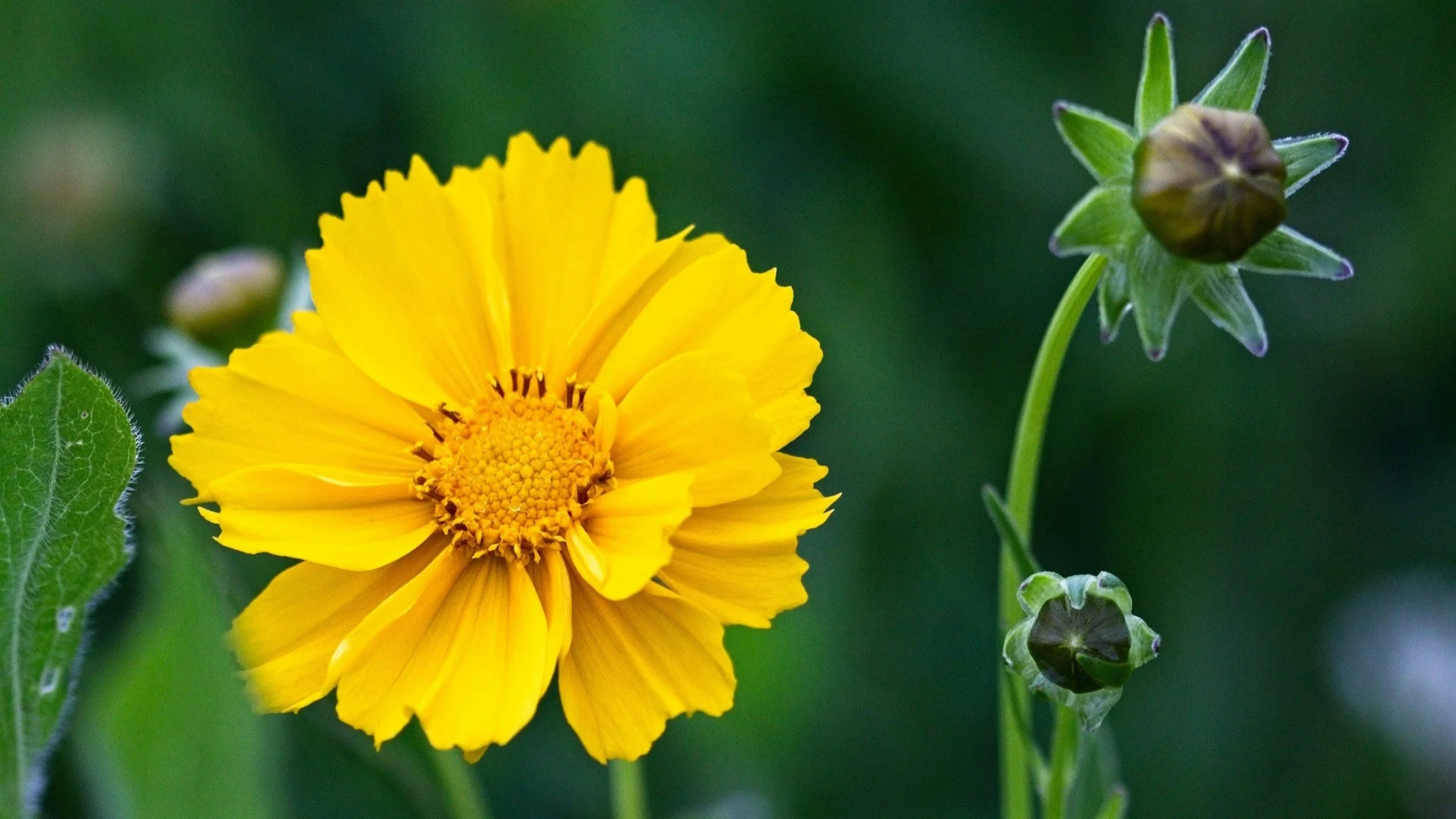
Coreopsis (a.k.a. “tickseed”) is a perennial plant that is native to Ohio and delivers an explosion of star-shaped flowers throughout summer. Available in vibrant shades of yellow, orange, red, and pink—as well as bicolor varieties—these blooms provide perfect landing surfaces and nectar for visiting butterflies.
Because of its compact habit and heat tolerance, coreopsis is great for brightening up spots in the garden where Ohio’s midsummer heat may cause other plants to fade.
How to Care for Coreopsis
Where to Plant Coreopsis
Coreopsis grows well in window boxes and containers. They are also great border flowers and are gorgeous when planted en mass to create colorful ground cover.
Plant coreopsis flowers in the spring or early fall and give them well-draining or rocky soil.
Light, Water, Soil, and Fertilizer Requirements
Coreopsis flowers need full sun to thrive. Also, excessive moisture can cause their stems to flop, so avoid overwatering them. Don’t worry about giving these low-maintenance flowers any fertilizer. Just plant them and enjoy!
Visit Timbuk Farms for Your Butterfly Garden Needs
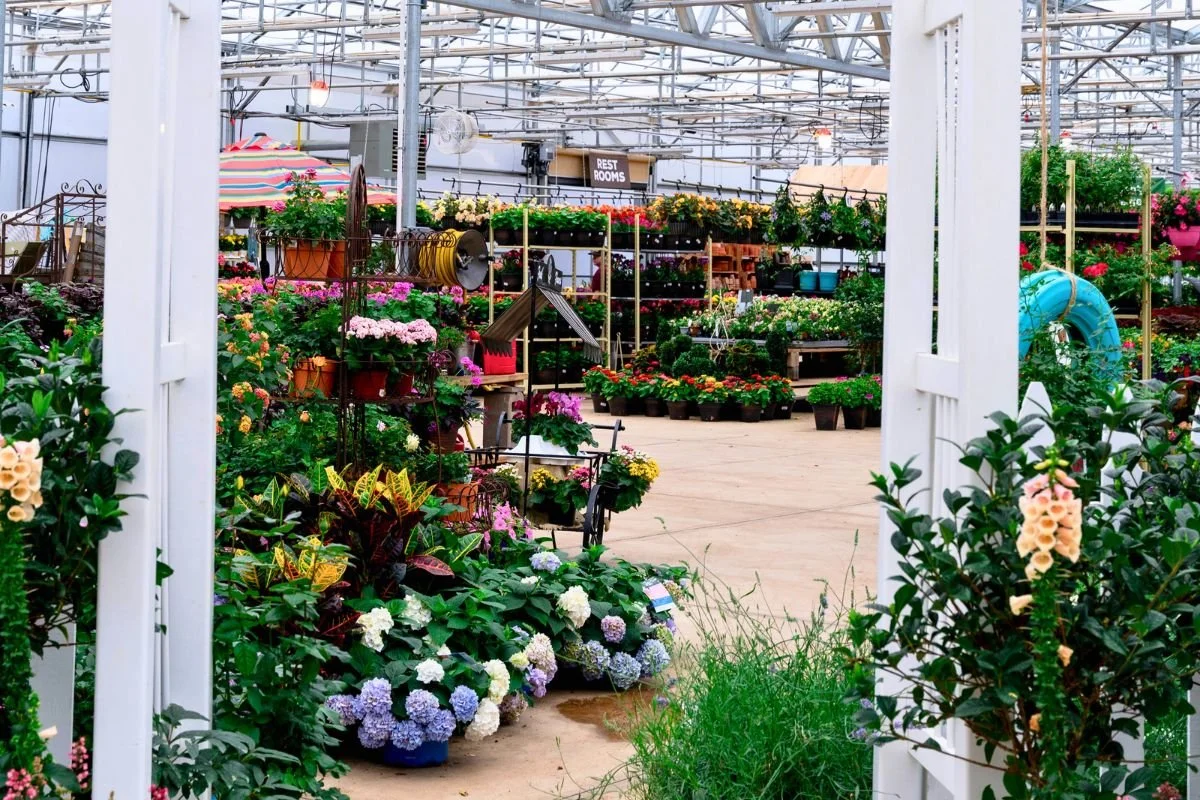
Ready to turn your yard into a vibrant butterfly paradise? Stop by Timbuk Farms to browse our selection of healthy, locally grown perennials, annuals, and pollinator-friendly plants. Our friendly team is here to help you select the best varieties for your garden and your desired gardening aesthetic.
Have questions about caring for your plants or choosing pollinator-safe supplies? Visit us at our Granville, Ohio, garden center, and let us help you create the butterfly garden that you truly want.