How to Grow Peppers in Ohio
Growing peppers is great for new gardeners and for gardeners who want more variety and challenge in their Ohio gardens. From sweet bell peppers to spicy habaneros, growing your own peppers is a rewarding way to add zest to your garden and your kitchen. They are also some of the best heat-tolerant plants you can have in your Ohio garden during the summer. Here is some of our advice for growing peppers in Ohio and some of the best types of peppers for Ohio gardens.
But first, why should you grow peppers in your garden?
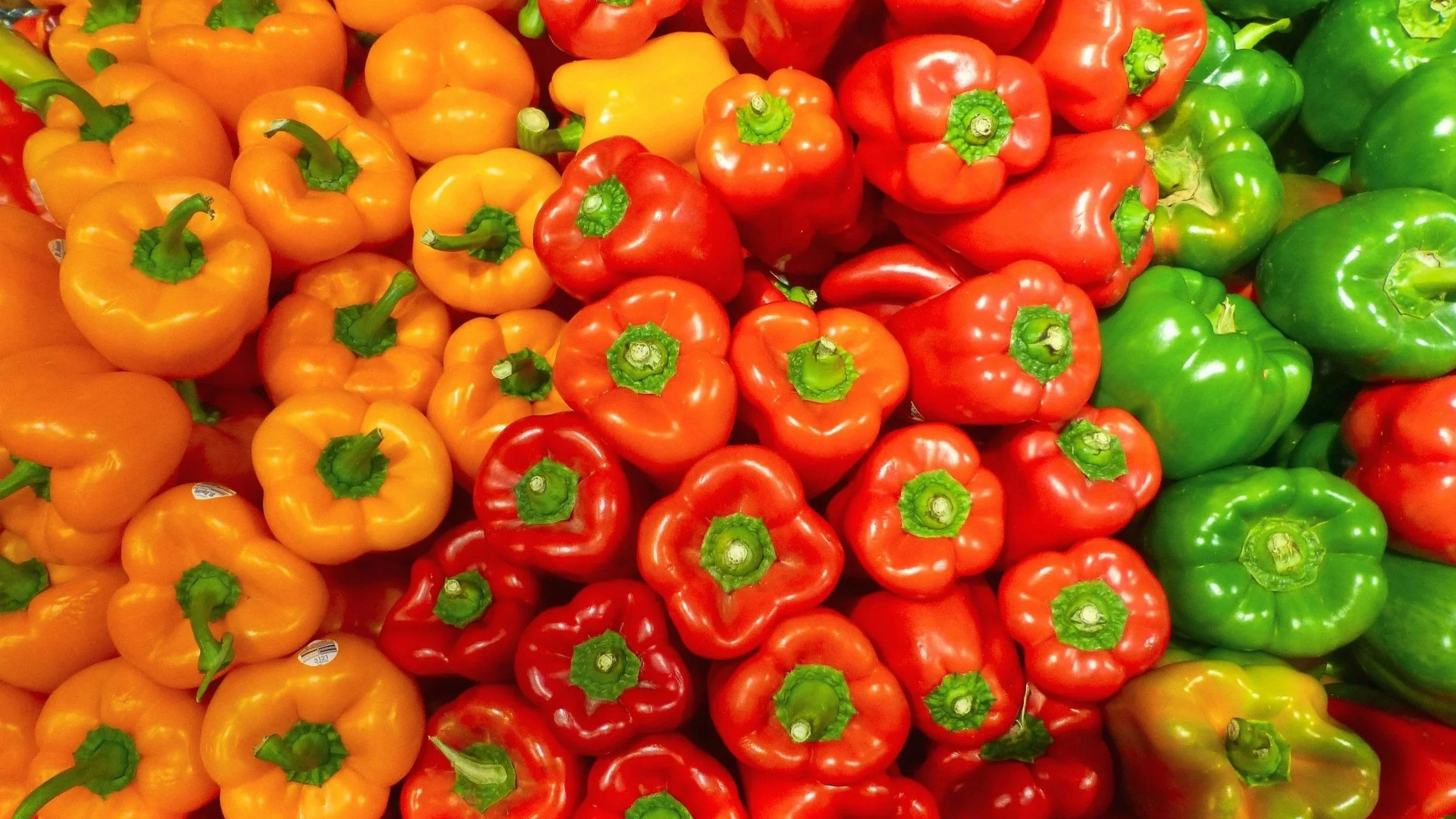
Why You Should Grow Peppers
Peppers are some of the most versatile plants you can have in your garden. They work well as in-ground plants or in containers, so you can pretty much plant them where you have space. In fact, their compact growth habit makes them an excellent choice for gardens with limited space or for raised bed gardens.
Plus, there are hundreds of varieties of peppers that you can choose from and that are not in stores. So, you’ll be able to grow unique vegetables and expand your palate. Also, you can make your pepper gardening as simple or as challenging as you want. For example, you can increase the spice level of your peppers by withholding watering at certain points. Or, you can simply plant your peppers and let them be.
Peppers are also very rewarding because they’re extremely productive and often continue to yield fruit well into the fall. So, if you want a bountiful harvest, then peppers are for you.
Types of Peppers for Ohio Gardens
Central Ohio summers provide the perfect heat that peppers crave. This also means that you can choose from a wide variety of peppers for your Ohio garden. Consider choosing from these local favorites.
California Wonder
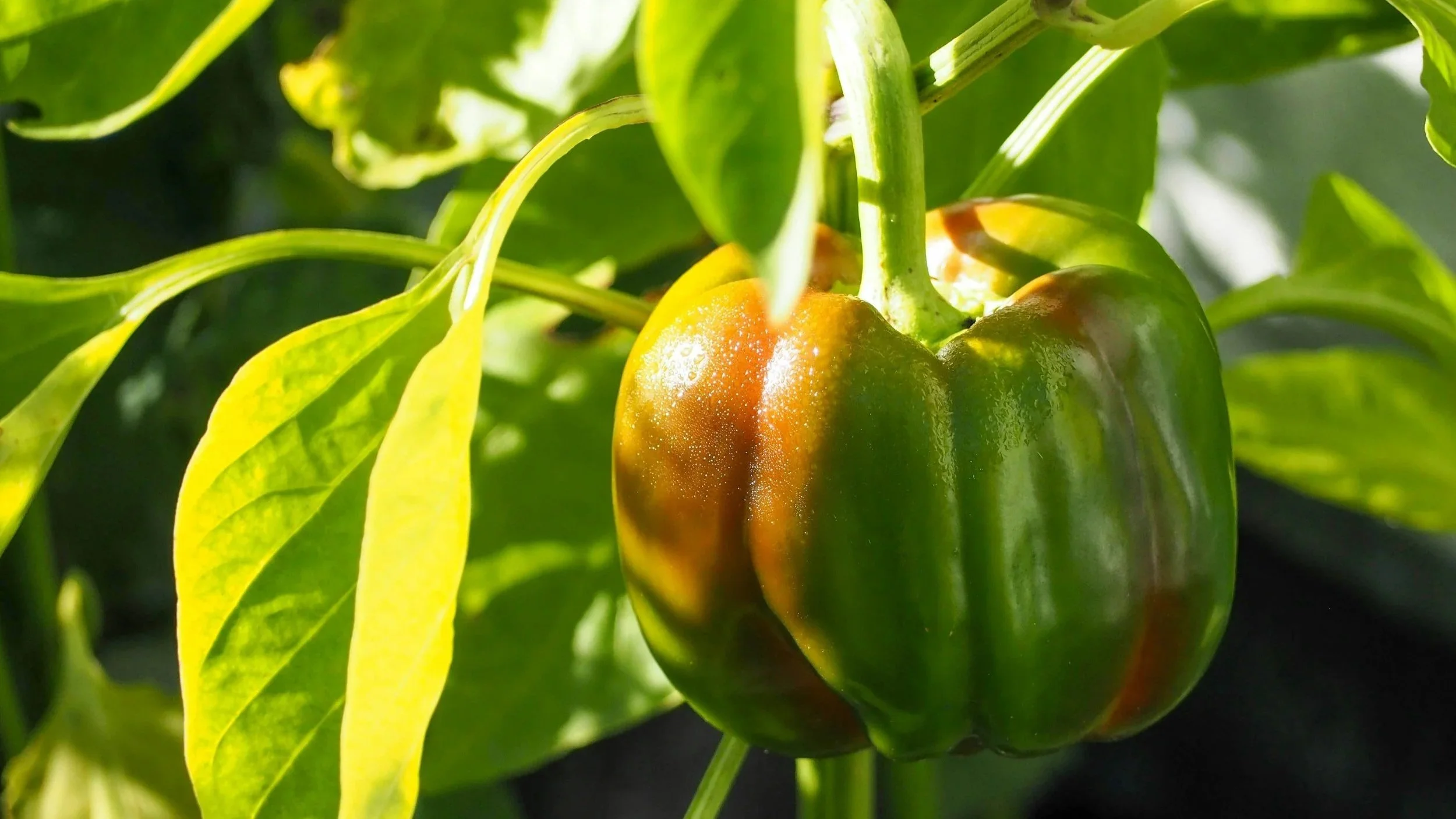
California Wonder is the quintessential heirloom bell pepper, and it has a blocky shape, thick walls, and crisp, sweet flavor that intensifies as it ripens from green to deep red. This variety is a staple for Ohio gardens because the upright, sturdy plants provide great leaf cover to protect the fruit from intense mid-summer sun. Gardeners love its reliability and adaptability. Plus, California Wonder peppers are delicious in salads, as stuffing peppers, as pizza peppers, and for freezing.
Mad Hatter
Mad Hatter is an award-winning, sweet specialty pepper with a unique, three-lobed disc shape resembling a hat. It delivers refreshing, citrusy sweetness with almost zero heat, though a mild touch of spice can occasionally develop near the seeds. This variety thrives in Ohio gardens because the vigorous plants are highly adaptable to the region's warm summers and reliably produce heavy yields before the first frost in Ohio.
Red Knight
Red Knight is a classic, big bell pepper known for its thick walls, sweet flavor, and ability to turn from green to a vibrant red very early in the growing season. It handles the unpredictable Midwestern spring temperatures well and has excellent disease resistance. This pepper has a quick maturity time, which ensures a massive harvest of full-sized bell peppers even during short growing seasons.
Ghost Pepper
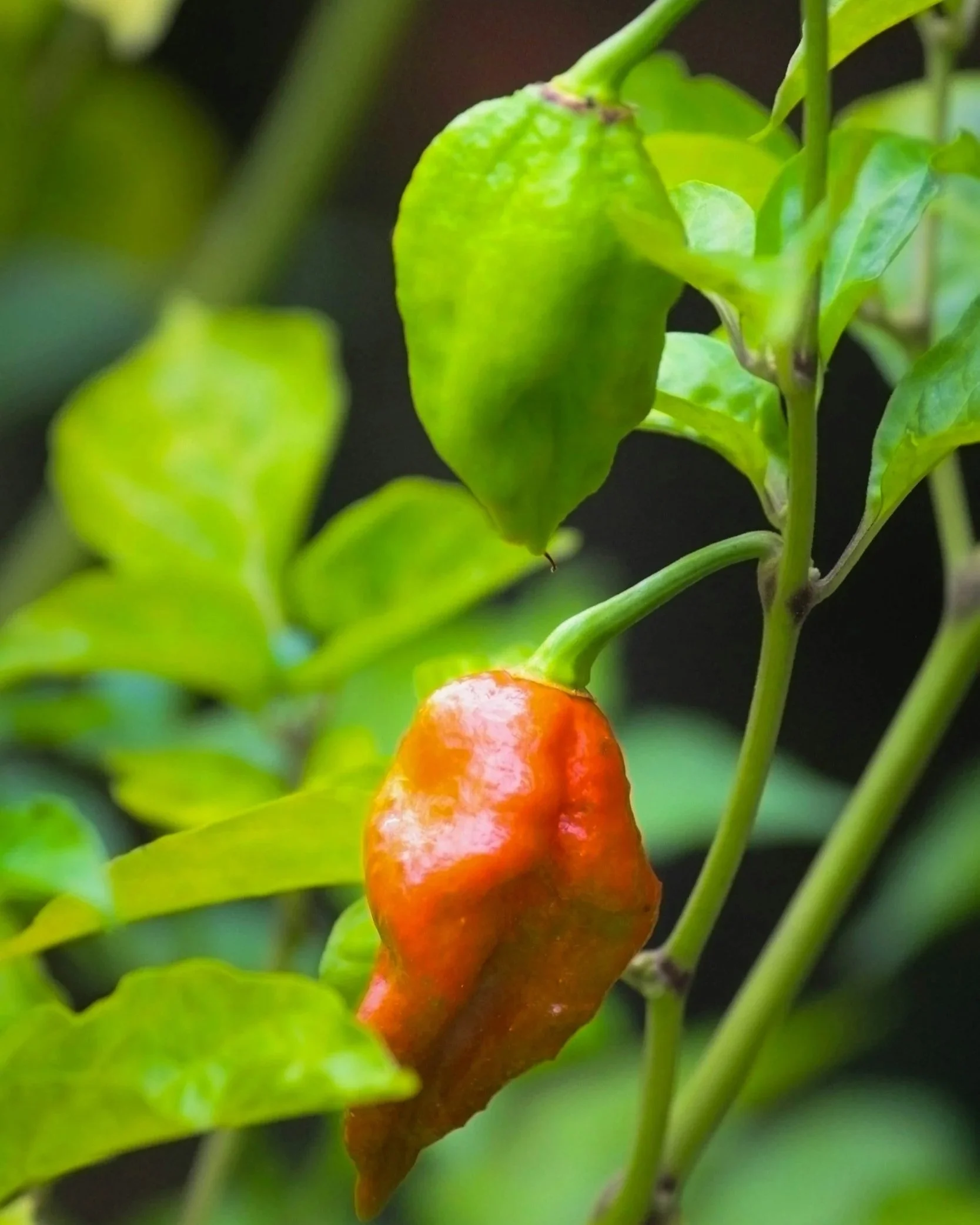
The Ghost pepper, or Bhut Jolokia, is a legendary super-hot variety pepper with wrinkled, pitted skin that registers over one million Scoville Heat Units. This means that the pepper delivers an intense, slow-burning heat accompanied by a sweet, fruity undertone. Since super-hot peppers require a long, warm season to fully mature, start Ghost Pepper seeds indoors or buy starter plants from your local garden center, such as Timbuk Farms. Growing Ghost Peppers in Ohio offers a rewarding challenge for spice enthusiasts looking to produce an incredibly potent harvest before the fall arrives.
Aruba
Aruba is an elongated, Cubanelle-style sweet pepper that matures from a lime green to a brilliant red. The peppers have a mild, rich flavor perfect for frying, stuffing, or grilling. Aruba peppers do particularly well in Ohio because of the plant’s weather tolerance and early-fruiting habit. You’ll love Aurba peppers’ heavy production, which continues throughout the summer until fall’s first frost.
How to Plant Peppers
Peppers are sensitive to the cold. So, wait to plant your peppers until the soil is consistently warm and night temperatures stay well above 50 degrees. This usually means waiting until late May or early June for the best results.
Choose a location that gets plenty of direct sunlight. Peppers need at least six to eight hours of sun to develop thick walls and high sugar content.
When planting, space the plants about 18 to 24 inches apart. Plant peppers at the same depth they were in their nursery pot to ensure the stem remains healthy. Consider placing a small stake or a small wire cage next to the plant at the start to give them structure as their heavy fruits grow.
Soil and Fertilizing Requirements
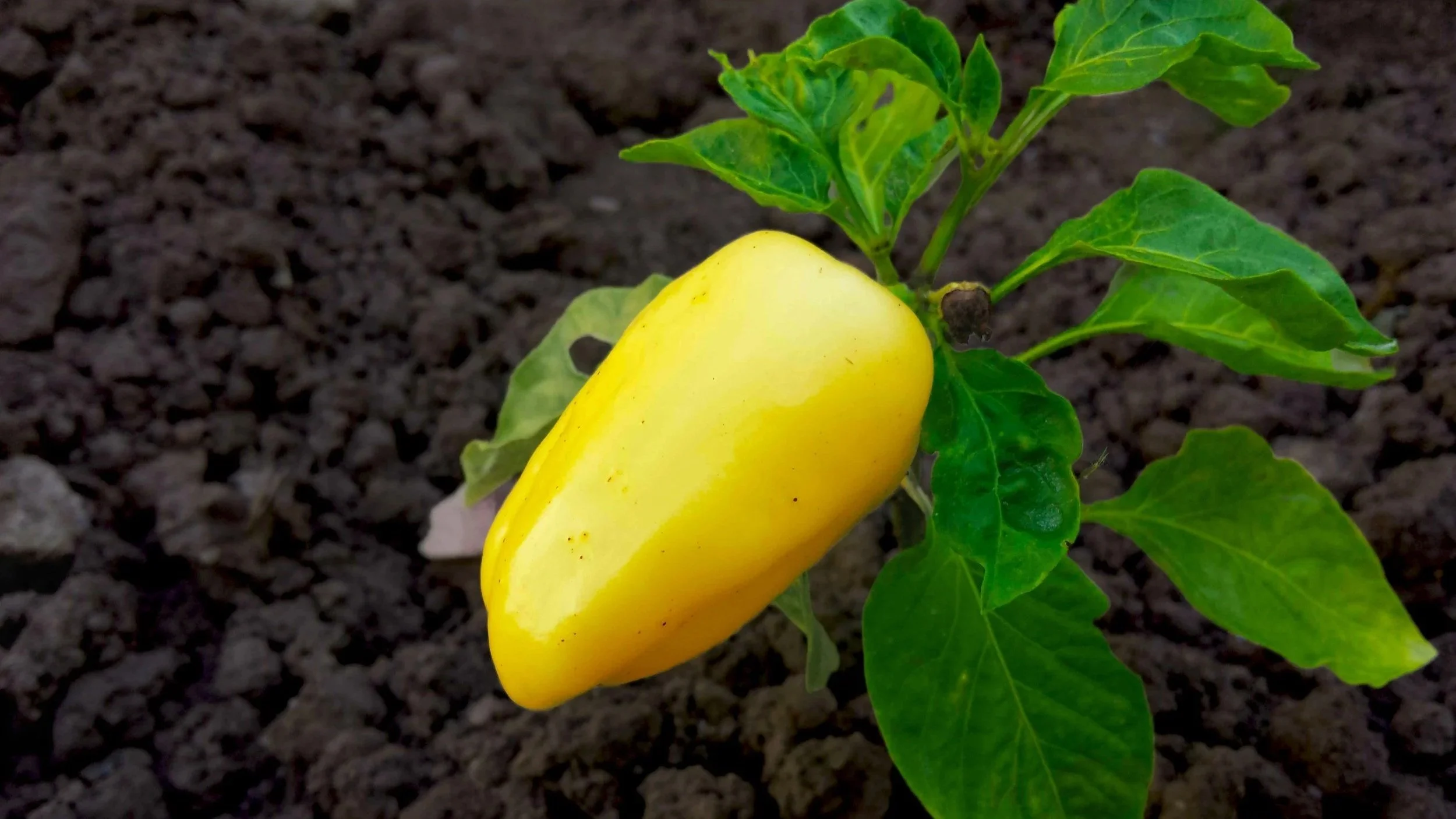
Peppers prefer well-draining soil that is rich in organic matter. If your garden has heavy clay, then work in compost to loosen the texture. Give peppers slightly acidic to neutral soil.
Avoid high-nitrogen fertilizers once the plants start to bloom. Too much nitrogen will result in a giant green bush with few peppers. Instead, look for a fertilizer with a high middle number, which represents phosphorus, to encourage flower and fruit production.
A light mulch of straw or shredded leaves can help maintain consistent soil moisture. This prevents the soil from drying out too quickly during Ohio’s intense July heat waves.
How to Prune Peppers
When your plant is about six inches tall, pinch off the very top growing tip. This encourages the plant to grow outward rather than upward, which results in a sturdy branch structure and bushy shape that can support big peppers.
Throughout the season, remove any yellow or diseased leaves. If your plant begins to flower while it is still small, consider pinching off those first few blooms. This forces the plant to put its energy into establishing a strong root system and more foliage, which leads to a much larger harvest later in the summer.
How to Harvest Peppers
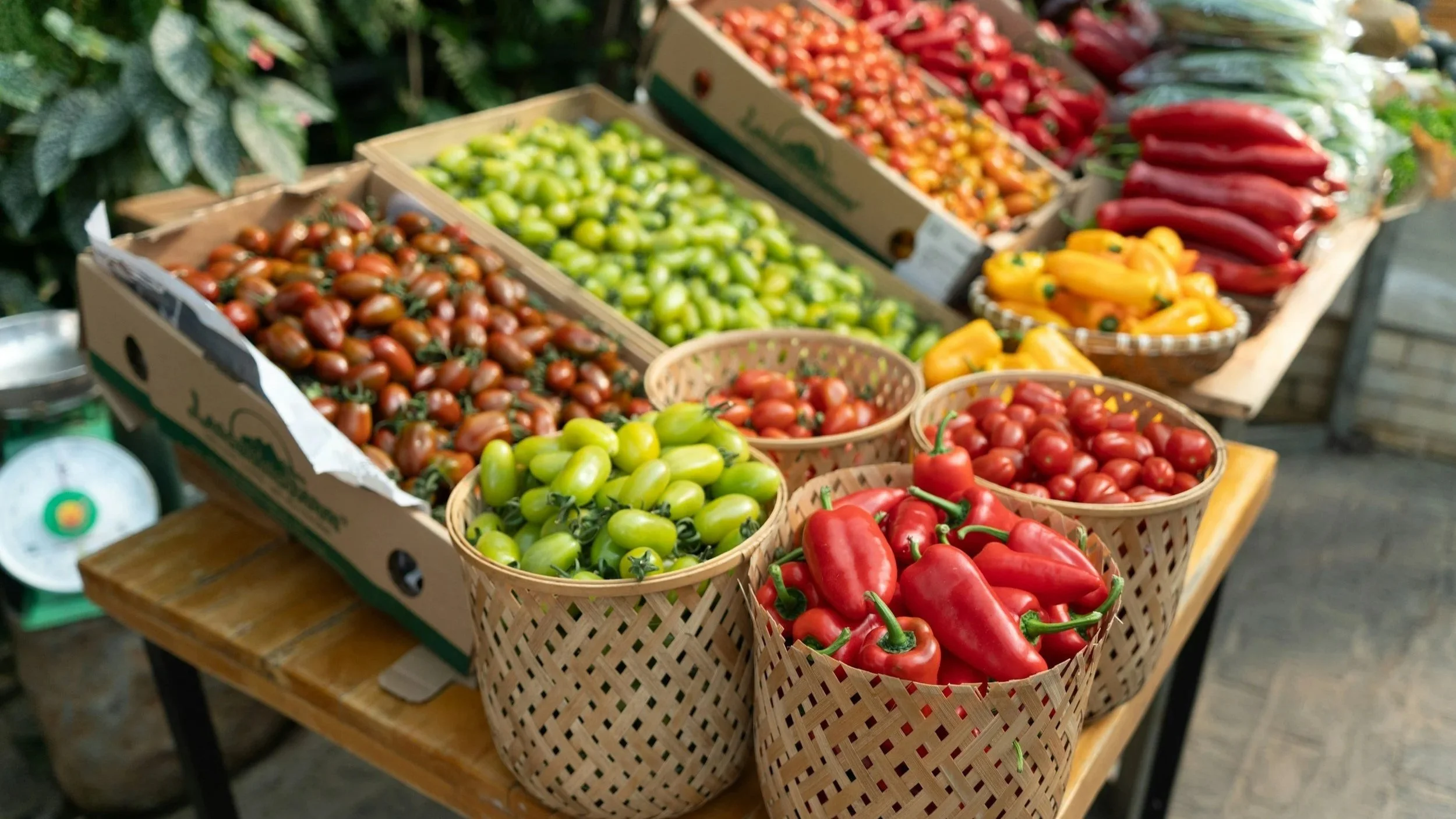
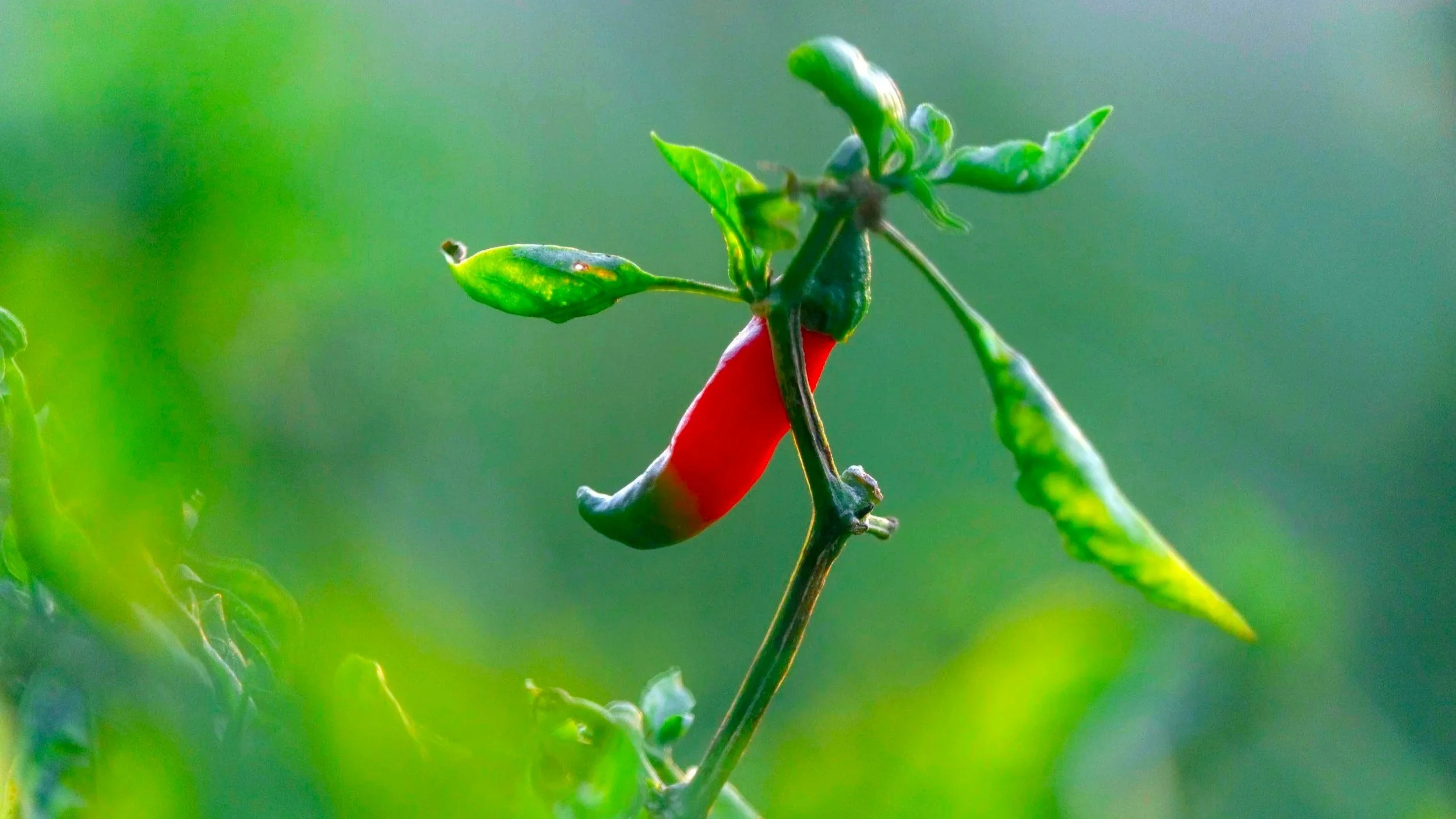
The more you harvest, the more the plant will produce. You can pick peppers when they are green, but most varieties will change color to red, orange, or yellow if left on the branch. A fully colored pepper is usually sweeter and contains the highest vitamin content.
To avoid potentially breaking fragile branches, use a pair of scissors or hand pruners to snip the fruit off the plant.
If a frost is predicted in October, harvest everything remaining on the plant. Even the smaller, immature peppers are edible and taste great in a stir-fry. While they can stay on the counter for a day or two, they will last longest in the crisper drawer of your refrigerator if you have a large harvest.
How to Overwinter Peppers
While we treat peppers as annuals in Ohio, they are actually perennials that can live for years if protected from the frost. Overwintering allows you to get a head start on the following growing season. Before fall’s first frost hits, dig up your favorite pepper plant and trim it back. You should leave only a few inches of the main stems and remove almost all of the leaves.
Repot the plant into a smaller container with fresh potting soil and bring it indoors to a cool area, such as a basement or a windowsill that stays around 55 to 60 degrees. Water the plant sparingly, because it will enter a dormant state and won't need much moisture.
In the spring, once the soil warms up again,move your established plant back outside. You will likely see flowers and fruit much earlier than you would with new seedlings.
Visit Timbuk Farms for Pepper Plants
Timbuk Farms specializes in Ohio gardening, and our central Ohio garden center has thousands of healthy pepper plants in several varieties.
We also have other vegetable plants, flowers, annuals, perennials, tropicals, houseplants, gardening supplies, and more. Our friendly and knowledgeable staff is great at helping you create the garden that you want, whether that’s a pepper garden, tomato garden, flower garden, pollinator garden, perennial garden, or anything else you can imagine!