Fun Facts about Lavender + Lavender Days are Back
Lavender Days is back this year from June 13th to June 21st! We’ll have thousands of lavender plants, yummy food, music, photo ops, a Kids’ Fun Farm, lavender sales, and more to celebrate summer’s favorite perennial plant. You can read more about this central Ohio summer event and purchase your tickets at our Lavender Days 2026 page.
To celebrate the return of this Ohio-favorite, family-friendly summer event, here are some fun facts about lavender.

1. Lavender belongs to the mint family.
Although it may not look like it, lavender belongs to the Lamiaceae family, which means that it is related to mint, sage, rosemary, and thyme. In fact, if you look closely at a single lavender stem, you’ll notice that stems are square-shaped. This is a classic trademark of plants belonging to the mint family.
2. The ancient Romans loved bathing in lavender.
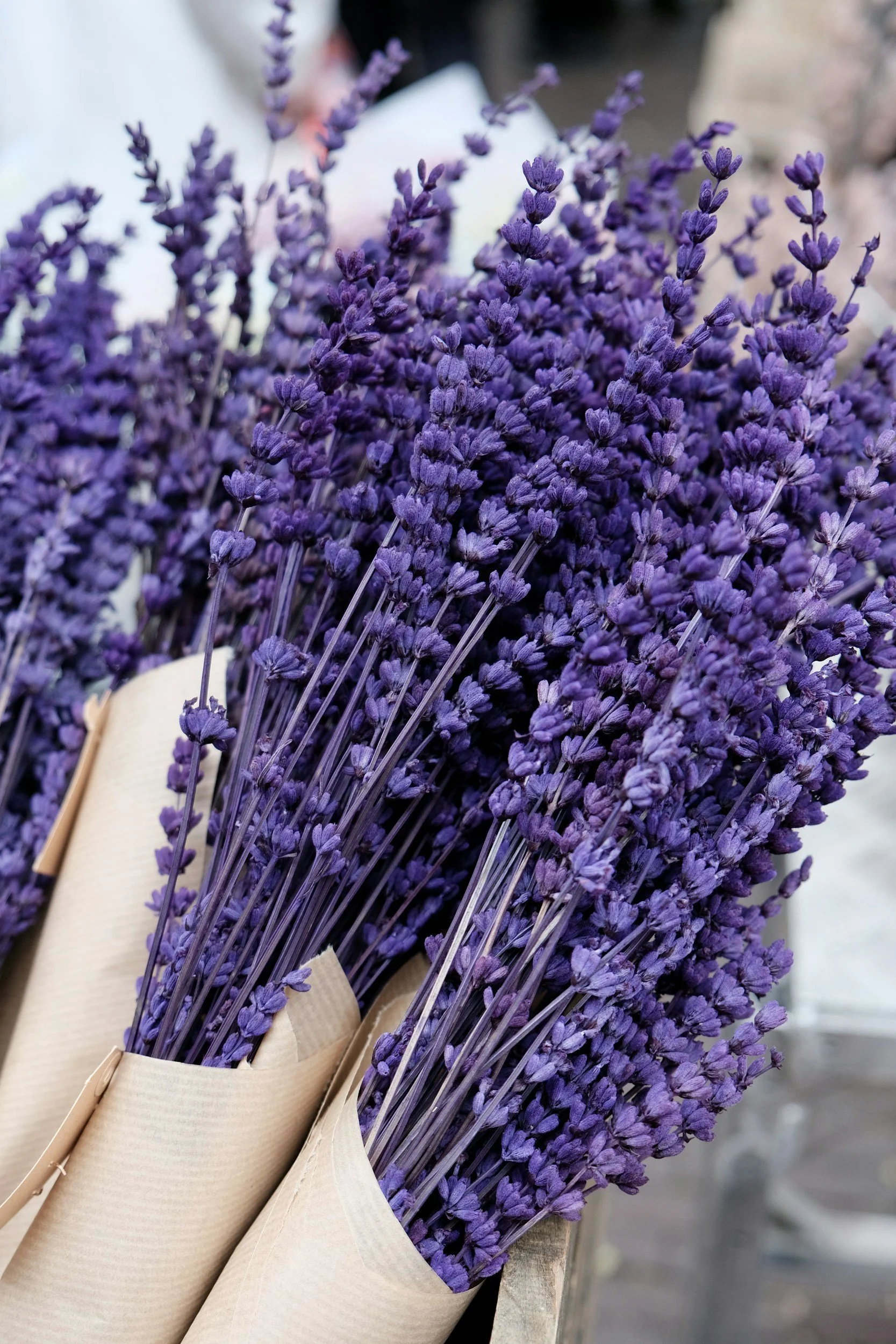
The name lavender actually comes from the Latin word "lavare," which translates to "to wash." Ancient Romans used the herb to scent their public baths, laundry, and hair. They recognized lavender’s natural cleansing properties and refreshing aroma long before it became a staple in modern soaps and essential oils.
3. Lavender is a natural shield against pests.
If you want to get rid of deer and rabbits in your central Ohio garden, then try using lavender. The plant’s intense essential oils give it a smell that deer and rabbits don’t like. You can spread lavender oil around your plants or plant a lavender border around your garden to deter garden pests (sorry Bambi!).
4. Lavender comes in more than purple flowers.
While the classic purple hue is so iconic that it has its own color named after it, lavender blooms in several shades. Depending on the specific variety, you can find lavender blooms that are white, soft pink, and deep blue-violet. Try mixing different varieties in your Ohio garden to create a beautiful, multi-toned display that turns heads all summer long and that smells divine.
5. Ohio clay soil requires a specific planting trick when growing lavender.
Lavender is native to the rocky, dry Mediterranean coast, which means it absolutely hates having soggy roots. In fact, many gardeners accidentally destroy their lavender plants by watering them too much.
Since our central Ohio soil tends to be heavy with clay, local gardeners should focus heavily on providing lavender plants with excellent drainage. Try growing your lavender plants in raised beds or containers and amend the soil with sand or grit to mimic the plant’s native soil and prevent fatal root rot.
6. Lavender will attract bees and butterflies to your garden.
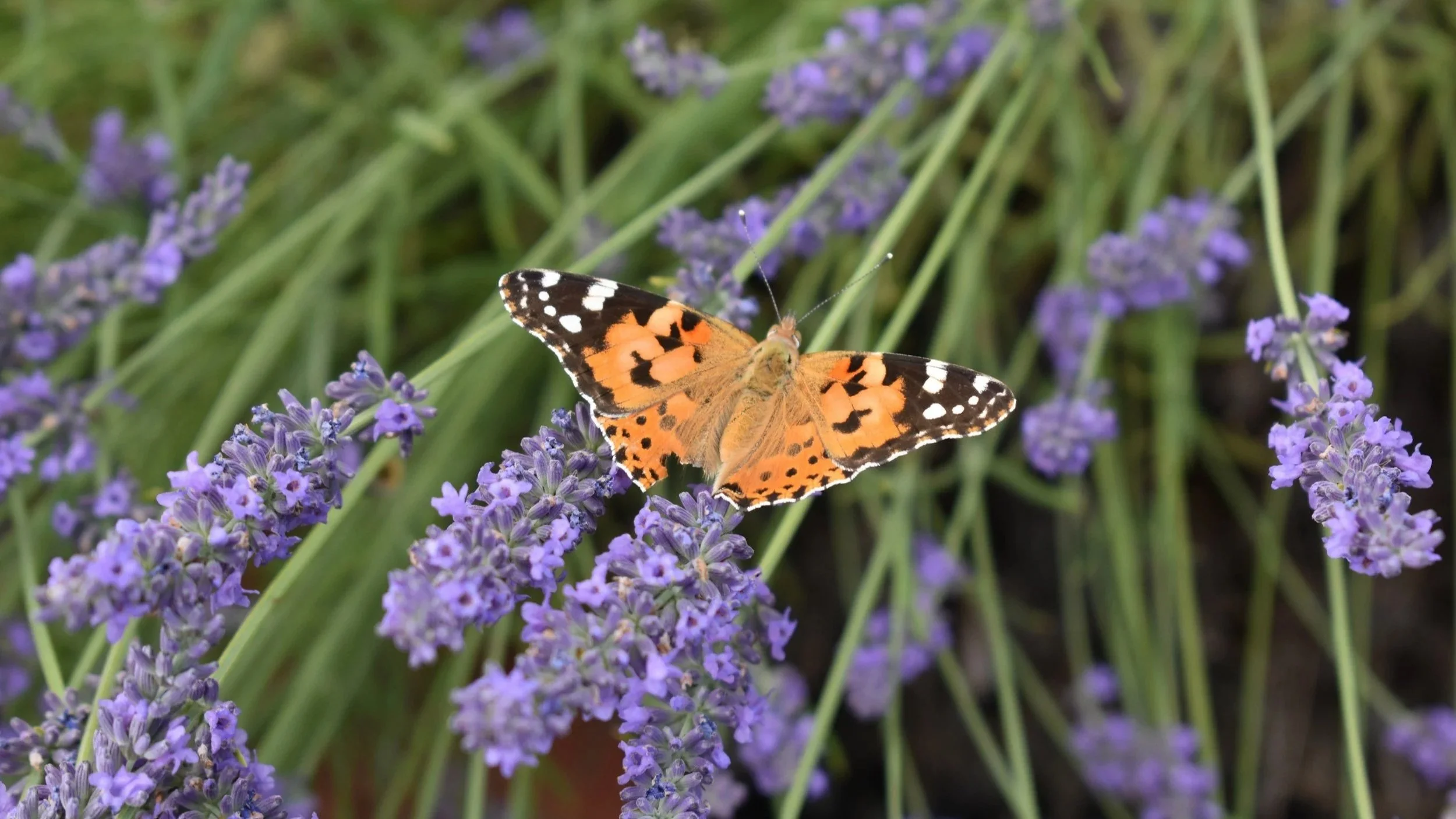
Local pollinators are attracted to lavender flowers. The bright blossoms are packed with sweet nectar, which makes a lavender patch an absolute magnet for honeybees, bumblebees, and native butterflies. Adding lavender, as well as other pollinator-friendly plants, can help your garden support our Ohio’s pollinator populations during the hottest months of the year.
7. Lavender should be regularly pruned.
Without pruning, lavender will eventually become woody, leggy, and stop producing many flowers. The secret to a tidy, round shape is a good pruning routine.
Remove about one-third of the green growth right after the summer blooms fade. This encourages fresh stems to emerge and ensures your plant stays healthy and full of life for next spring.
If you want to know more about how to grow and care for lavender in Ohio, then check out our lavender growing guide.
Visit Lavender Days!
Make sure to come to our Lavender Days this summer so you can get your own Timbuk Farms lavender and enjoy our family-friendly activities. You’ll love the peaceful fun you can have at this must-do summer event.
While you’re here, stop by our Garden Center for the healthiest plants in Ohio as well as gardening supplies, expert advice, and the best in summer garden décor. We can’t wait to see you!