How to Grow and Harvest Strawberries
Strawberries are some of the most rewarding plants you can grow. Their abundant harvests and yummy fruit make them popular among gardeners who want a “win” in their gardens. But how do you grow strawberries in Ohio? Should you grow strawberries from seeds, bare root plants, or from nursery plants? How do you prune strawberries?
We answer all of these questions and more in this ultimate guide to growing strawberries in Ohio.
Strawberry Growing Season in Ohio
When to Plant
Regardless of the variety, strawberry harvests typically occur between late spring and early fall. Because of this, the best time to plant your strawberries is mid-spring, specifically around early April. Remember that Ohio’s last spring frost is around April 25th, so be mindful of when you plant young, tender strawberry plants.
When to Harvest Strawberries

When you can harvest strawberries depends on the variety that you choose. June-bearing strawberries, for example, will not produce berries until the year after they are planted, whereas everbearing and day-neutrals will produce strawberries within the year they are planted. Generally speaking, however, the time for harvest peaks across varieties is in mid-summer.
When Strawberries Go into Dormancy
Strawberries require warm temperatures and lots of sun. So, when the days become shorter and temperatures drop, they’ll enter their dormant stage. In Ohio, this is usually between mid-November to early December. There’s no need to fret, as strawberries are perennial plants. This means they will come back year after year with proper care. Apply a 2-3 inch coat of mulch, such as straw, over your strawberries to protect them from Ohio’s frosts and harsh winter temperatures.
Preparing the Soil for Strawberries
Strawberry plants thrive in loose soil packed with organic nutrients. While strawberries can grow in a variety of soils, they will flourish in a slightly acidic soil with a pH of 5.8-6.5. Consider testing your soil to see how it should be amended to best suit your chosen strawberry variety. You can get soil tests and soil amendments at our Timbuk Farms garden center in Granville, Ohio.
Should You Start Strawberries from Seeds?
It’s much better to begin with an existing strawberry plant instead of strawberry seeds. This is because strawberry seeds germinate slowly and may take months to produce their first flowers. Also, starting your strawberry crop from existing plants gives you an advantage in the genetic gamble as strawberry seeds can be very fragile. Because of this, choosing to grow your strawberries from the daughter plant of healthy strawberries will save you time and peace of mind.
What to do Instead
Nursery starter plants are a great option considering these plants have survived the fragile process of starting from seeds. Therefore, they’ll be sturdy during the replanting process at home. Gearing up for the summer, we at Timbuk Farms have our “berry” own special strawberry crop ready to find a home in your garden!
How to Plant Nursery Plants
Give your plants plenty of space since these vines love to sprawl out to make room for succulent berries. A good guidelines is to leave 18 inches for plant runners and 4 feet between rows.
Bare Root Plants
Bare root plants are plants that have been dug out of the soil during their dormant season and are sold without being replanted. These plants are already well-established and should adapt well to new soil. However, bare root plants must be replanted before their dormant season is over.
How to Plant Bare Root Plants
Ensure that roots are vertically planted and loosely, yet fully, covered. The crown of the plant (where the roots and stem meet) should only be covered halfway. Crown placement is particularly important, as crowns that are planted too deeply may not be able to emerge above ground whereas crowns planted without enough covering soil may not receive the water they need. Following these steps will ensure your plant’s roots can easily accept water and have room to grow.
What to Grow Strawberries in
Strawberries are easily adaptable plants that can grow almost anywhere. However, where you choose may require different steps to ensure your strawberries’ success.
In-ground Beds
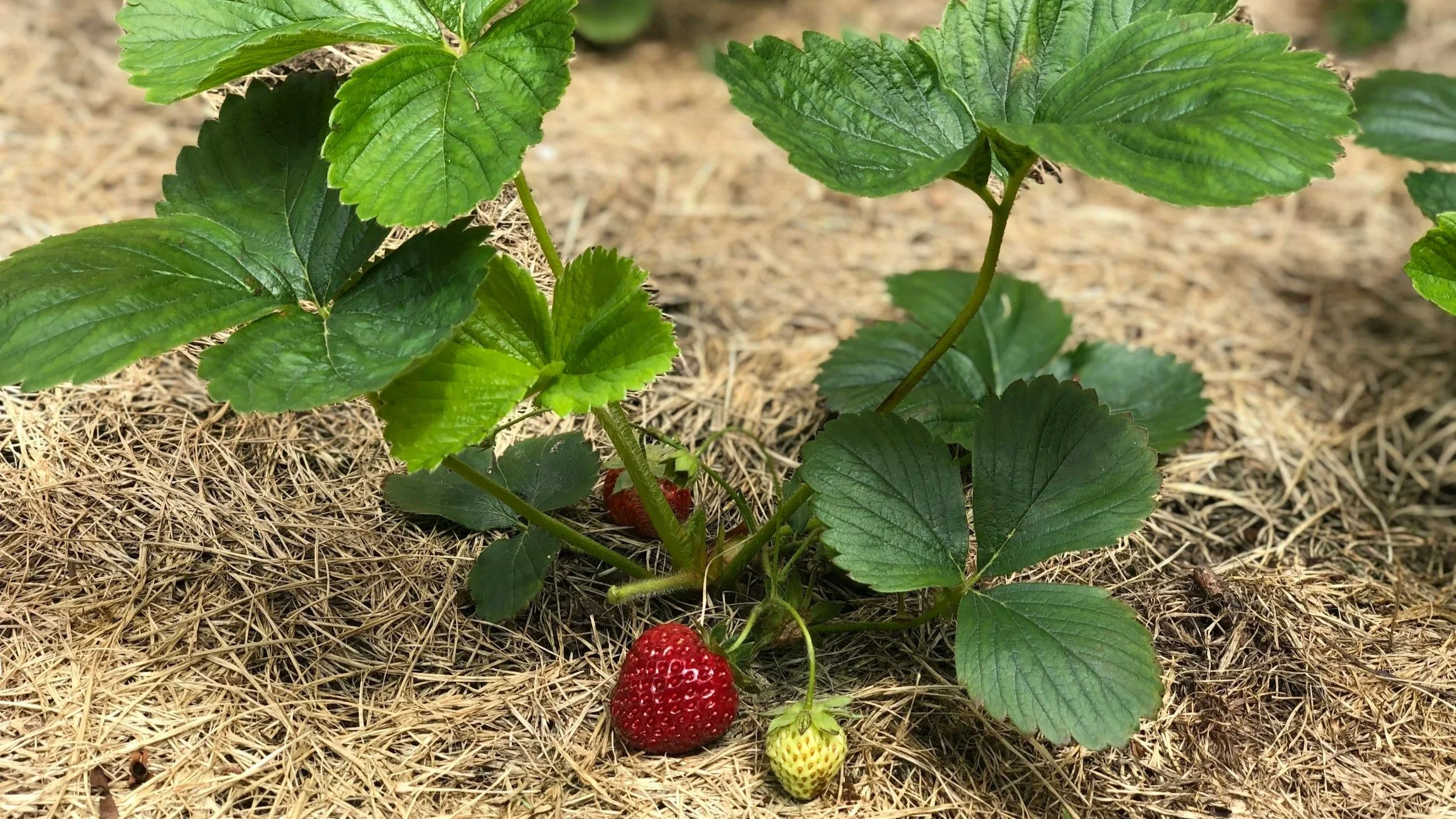
In-ground beds give your strawberries lots of space to grow with plenty of necessary, ample sunlight if positioned in an unobstructed spot. The main thing to keep in mind with in-ground beds is that this outdoor spot will be vulnerable to weeds and other plants getting mixed into your strawberry patch. So, use fresh soil and keep an eye out for weeds.
Raised Beds
Raised beds can provide a more control than in-ground beds, as they are slightly removed from outside influences and their raised quality can improve soil drainage. The main thing to consider is whether your chosen beds will be big enough to accommodate the space strawberries need to properly grow.
Containers
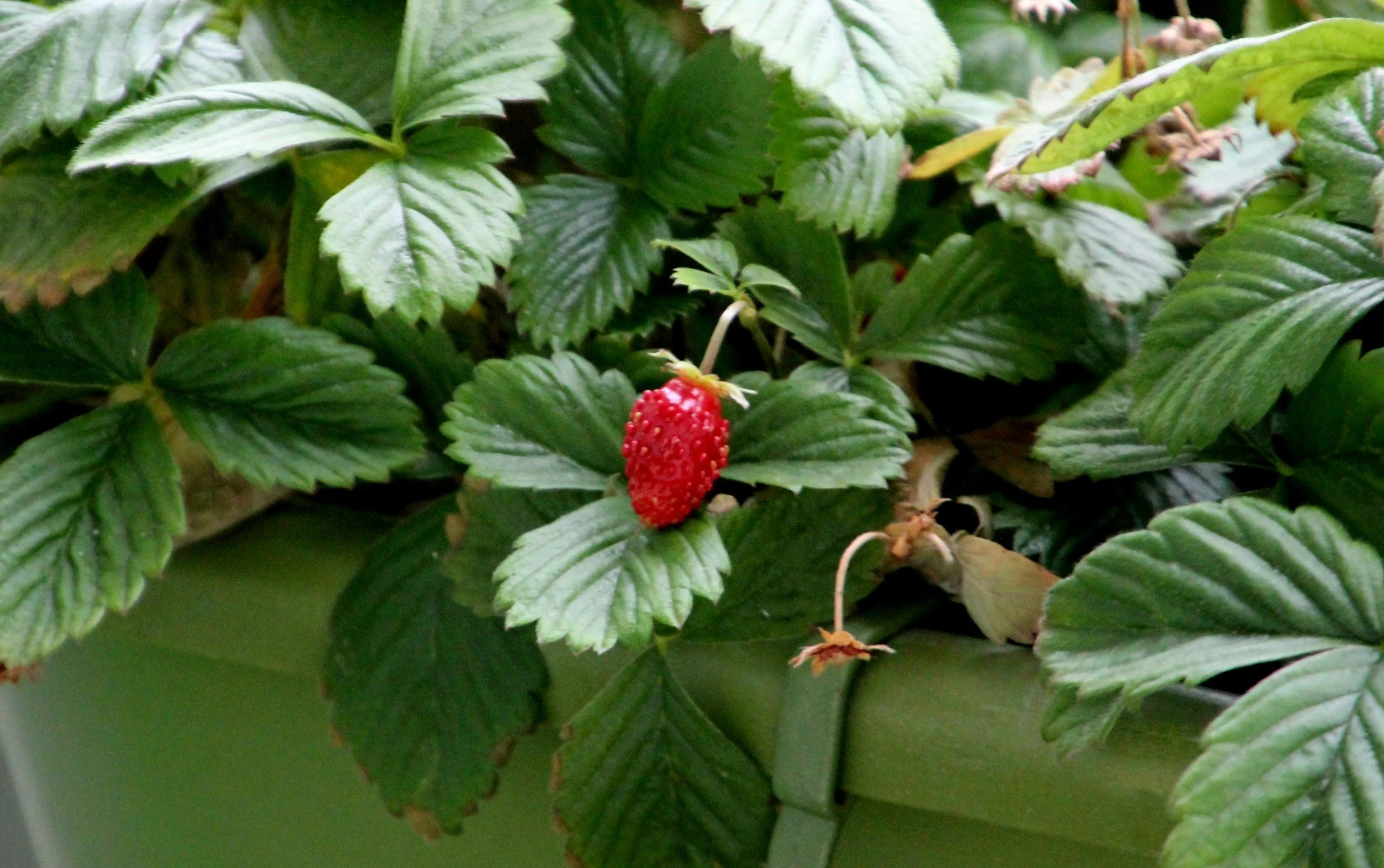
Containers can be a great option if you have limited space, would like to grow your strawberries indoors, or want to grow strawberries on your deck or porch. If you decide to go with containers, make sure to eliminate runner plants. These are stems that will not produce fruit until they root and become new plants. So, maximize your limited space by removing any runners. Pruning runners also encourages the main strawberry plant to focus on making more fruit.
Growing requirements
Strawberries are perennial plants that will return year after year if properly cared for. While we have a detailed guide for garden prep and perennial plant care, here are the basic steps to follow for healthy growth.
Watering
Strawberries need to be watered around once a week to retain moisture in their shallow roots. Be wary, however, because their sensitivity to overly moist soil could backfire. Establish a regular routine to keep your soil moist while ensuring the plant has proper drainage so it does not suffer from overwatering.
Sun
Like many perennial plants, strawberries love their sunlight! Make sure they are receiving at least 6-8 hours of full sun per day.
Fertilizing
Follow the general rules of loose, natural fertilizers for all your strawberry varieties. Fertilize strawberry plants once you see your plant first begin to flower in late spring and again after the final harvest to reestablish nutrients and set your strawberries up for success in the next harvest season.
Pruning
Strawberries will dedicate their growth efforts towards multiple different things, but there’s mainly one thing we want–strawberries! Because of that, here’s what you should do to maximize your strawberries’ fruitful output.
Should You Cull the First Round of Flowers?
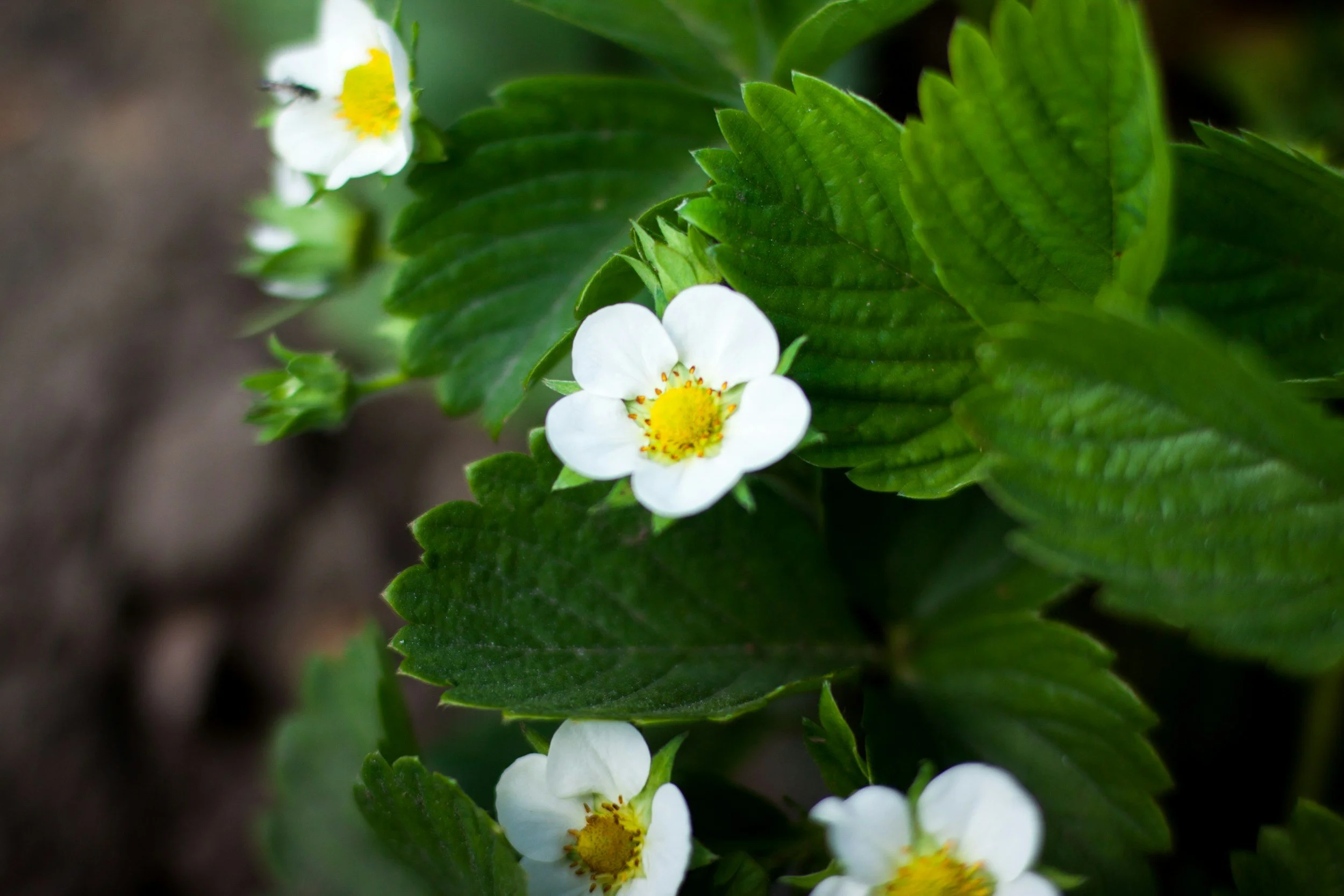
While strawberries’ first flowers are great signs of growth and can give you the outputs you want in the short term, for long-term performance it’s best to prune off these beginning flowers. This is because the first round of flowers will attempt to grow fruit but can take away from ensuring that you have a strong enough root system to sustain longevity. Therefore, pruning the first round of flowers is your best bet for lasting strawberry plants.
What are Runners and Why You Want to Prune Them
Runners are thin stems that will grow off of your strawberry plants and become daughter plants. You’ll want to prune runners so your plants can focus on growing berries as opposed to new plants. Removing runners will maximize your space by ensuring your plant saves its energy and nutrients into growing berries.
Saving your runners is a great idea if you would like to create new plants for multiple containers, but if you would like to get the most out of each strawberry plant, removing runners is an important part of the process.
How to Harvest Strawberries
While seeing your plants’ first round of berries can be exciting, you may want to pause before you harvest them. First, consider how you remove the berries. Cut by the stem instead of pulling the berries to promote regrowth and avoid hurting your plant. Also, make sure that the berries are ripe, which should occur between one and two months after the first flower blossom.
Visit Timbuk Farms for Strawberries & Healthy Plants
If you feel inspired to start growing your own strawberries, come to Timbuk Farms in Granville, Ohio! We would love to send you home with one of our strawberry plants and help walk you through the steps or how to take care of them. We also have thousands of healthy herbs and vegetable plants to make your farm-to-kitchen dreams a reality. Tomatoes, peppers, basil, strawberries and more, we’ve got it all at Timbuk Farms!